Ask ten men in Rockwell how often they get a haircut and you will get answers based on habit, not hair. Some come every two weeks out of routine. Some stretch to two months and wonder why the last three weeks look rough. The right interval is not a personality trait. It is arithmetic, set by how fast hair grows and how much growth a particular style can absorb before its shape collapses.
Hair grows roughly half an inch a month on average. That rate barely varies, but styles vary enormously in tolerance. A skin fade shows a quarter inch of growth as a visible fuzzy band. A classic scissor cut can absorb a full inch and simply look like a longer version of itself. This calendar lays out the real intervals by style, so you can book by math instead of by guilt.
The grow-out math, style by style
| Style | Looks sharp for | Book the next cut | What gives out first |
|---|---|---|---|
| Skin fade | About 10 to 14 days | Every 2 weeks | The bare skin band grows in as stubble and the blend blurs |
| Clipper fade or taper | About 2 to 3 weeks | Every 2 to 3 weeks | Bulk above the ears and a softening outline |
| Buzz cut | About 2 weeks | Every 2 to 3 weeks | Uneven growth and a fuzzy hairline |
| Crew cut | About 3 weeks | Every 3 to 4 weeks | Length on top loses its tidy proportion to the sides |
| Classic scissor cut | About 4 weeks | Every 4 to 6 weeks | Weight over the ears and at the collar |
| Medium or longer hair | About 6 weeks | Every 6 to 8 weeks | Split, dry ends and a shape that no longer falls right |
| Kids cuts | Varies with growth | Every 4 to 6 weeks for most styles | Fringe in the eyes and hair over the ears |
Read the middle column as the honest outer limit, not a target. If your hair grows faster than average, or your hair is dark against pale skin so every bit of growth shows, take a few days off the interval. If growth is slow and contrast is low, you can add them. The barbers at Rhino Barbers see both ends of that range every week, and neither is doing anything wrong.
A maintenance calendar across the year
Intervals alone miss the seasonal part. In a Piedmont North Carolina year, a few moments deserve a planned cut rather than a reactive one. Late spring, before the serious humidity arrives, is when many men go a little shorter on purpose, since longer hair in June through August means more heat, more sweat, and styles collapsing by midday. Late August brings the school and fall-routine reset. The weeks before Thanksgiving and Christmas fill shops the way August does, so regulars who book ahead in November keep their usual chair while walk-in waits grow.
Winter is the forgiving season. Hats hide a week of extra growth, nobody studies your hair at an outdoor event, and scissor cuts can stretch toward the long end of their range. Use that slack honestly rather than as a reason to abandon the rhythm entirely, because a cut skipped twice becomes a restyle appointment, longer in the chair and harder to get back to the shape you liked.
Clean-ups: the small appointment between cuts
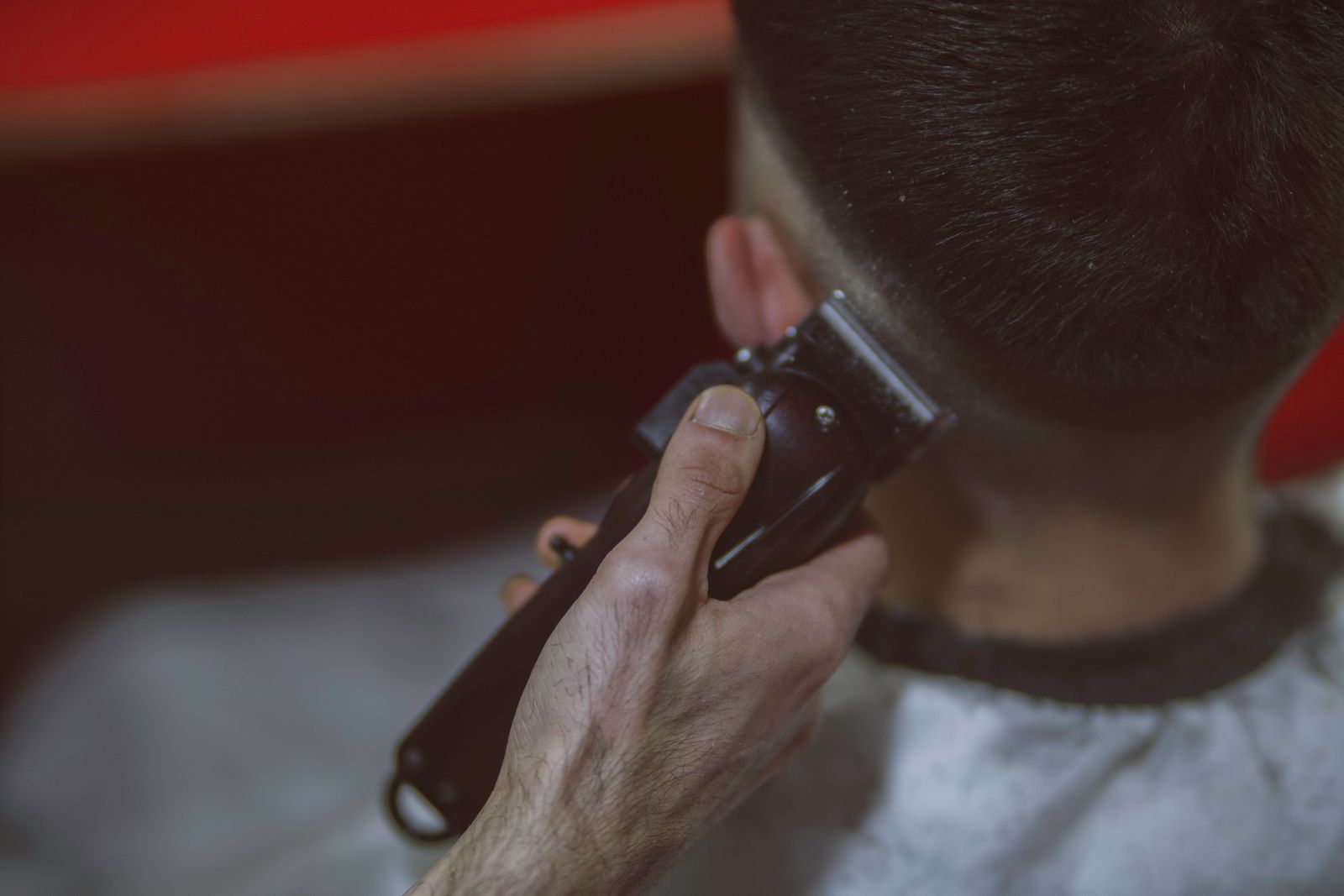
Between full cuts sits the line-up or clean-up, a short service that re-edges the hairline, around the ears, and the neck. It does not change your length or blend. What it does is reset the outline, which is the part of a cut that ages fastest and the part other people notice. A clean-up roughly midway through your cycle can make a three-week-old fade look deliberate again and stretch a scissor cut comfortably toward six weeks.
Think of it as the difference between a full detail and wiping down a car. It is not a substitute for the real appointment, and a barber will tell you when a clean-up is no longer enough because the blend itself has grown out. But as a rhythm, full cut, clean-up, full cut, is how many tidy men actually maintain themselves, and it explains how some people always look freshly cut without seemingly living in a barber shop.
Signs you have waited too long
Your style, not the calendar, gives the most reliable signals. Hair lying over the ears and collar. A fringe that needs pushing aside all day. A part that will not sit where it used to because the weight distribution has changed. A beard and haircut that have merged at the sideburns with no clean boundary. Any one of these means the shape is gone and you are now wearing the grown-out version, which no amount of product will talk back into the original cut.
The booking habit that fixes all of this is unglamorous: reserve the next appointment while you are still in the chair, at the interval your style actually needs. Shops prefer it, your calendar absorbs it while the date is distant and flexible, and you stop playing the game of noticing your hair looks bad on the Thursday before a Saturday event, which is when everyone else in Rockwell notices theirs too.
Common questions
Can I stretch a fade to four weeks to save trips?
You can, but the last week will look grown out, because a fade's blend blurs as the shortest hair grows in. A mid-cycle clean-up helps the outline but cannot restore the blend.
Does hair grow faster in summer?
Growth is fairly steady year-round for most people. Summer cuts seem to grow out faster mainly because shorter styles are common then, and short styles show growth sooner.
How do I know my own growth rate?
Note the date of a cut and when the shape first bothers you. After two or three cycles you will know your personal interval within a few days, which beats any general chart.
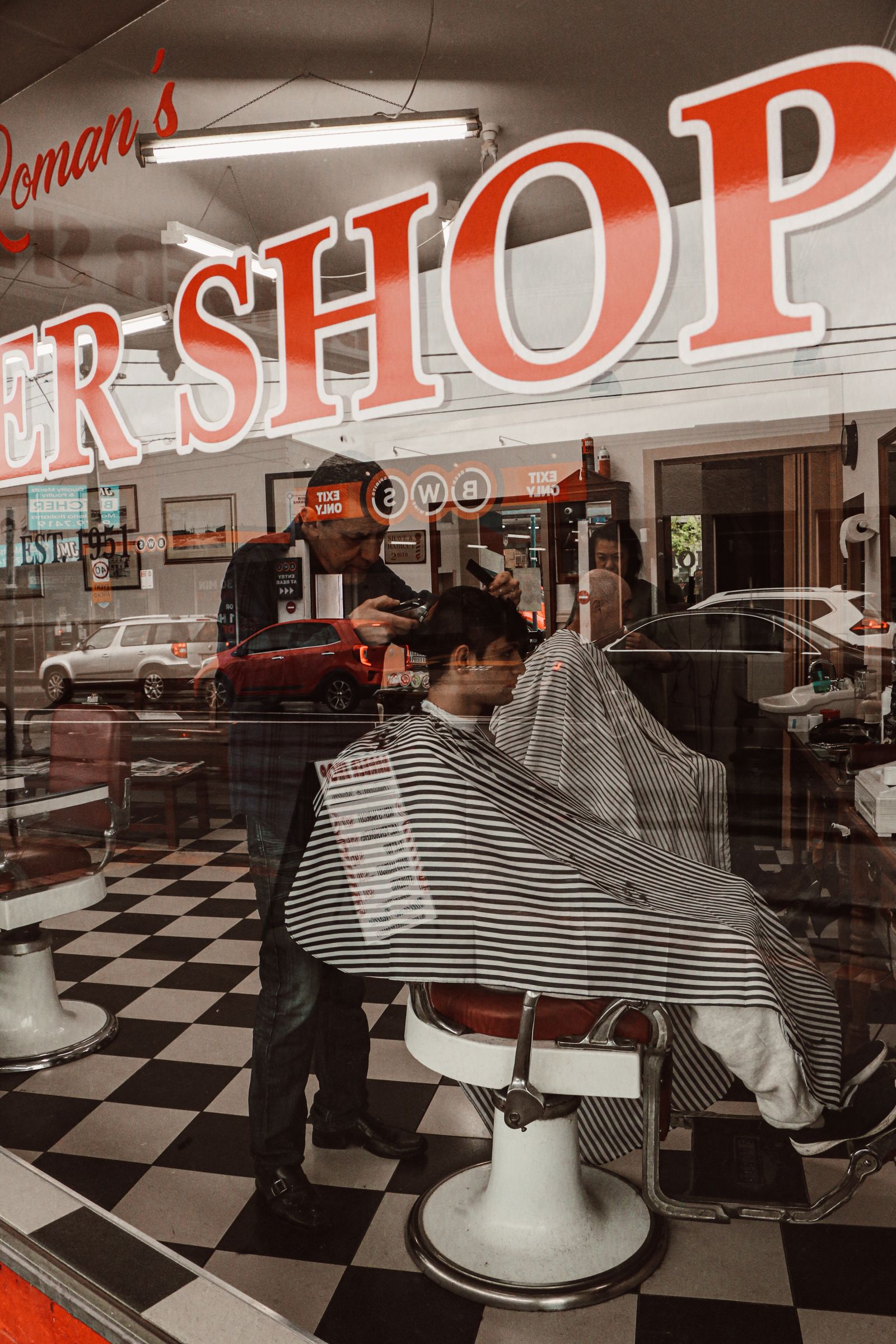
Photos in this guide are representative stock images.
← All guides from Rhino Barbers← Back to Rhino Barbers